
Baseball, Circus & Connection
How one simple question has lead to one of the greatest fan-first sports of all time (IMHO)

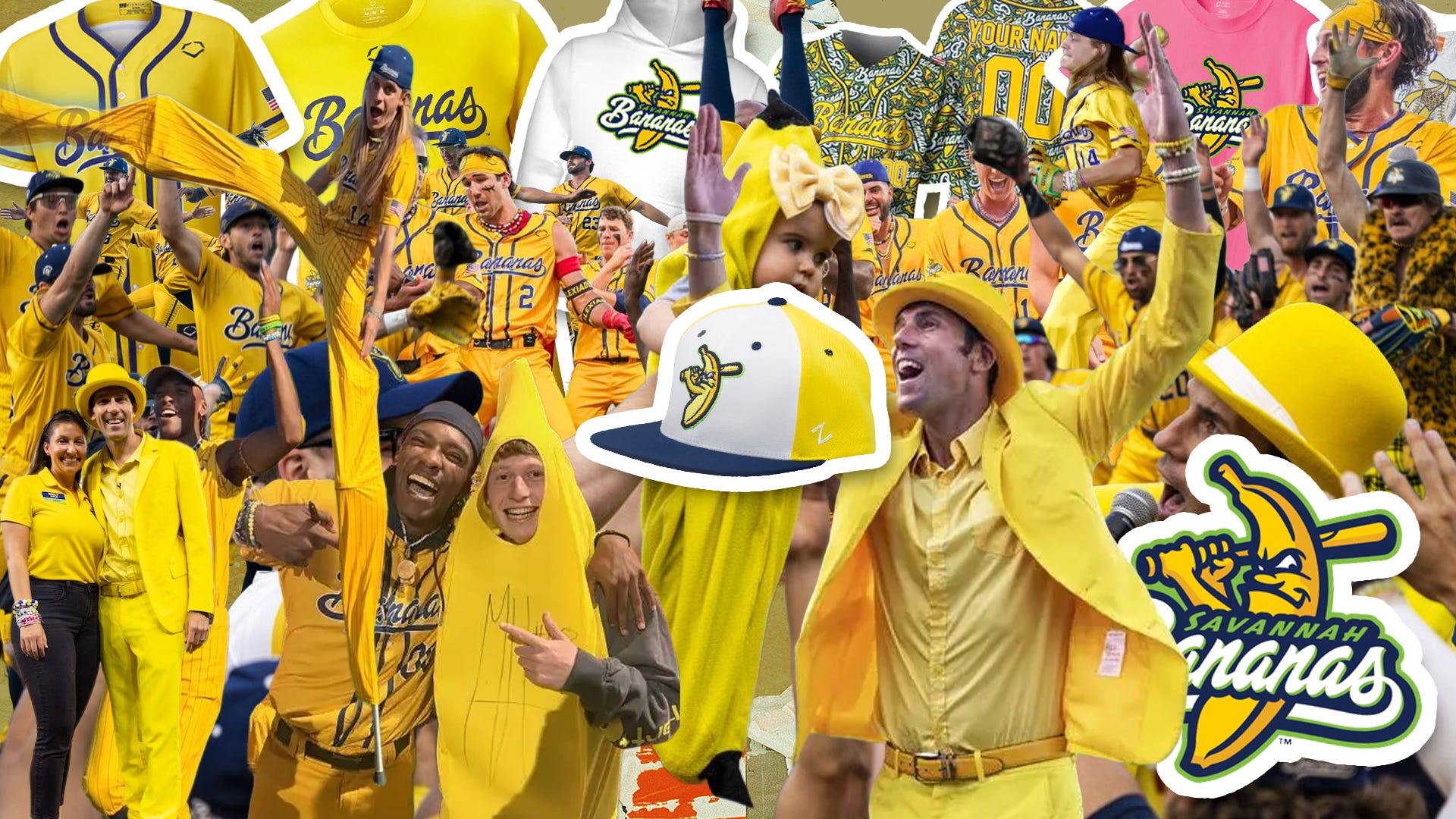
The most successful sports all have key ingredients on their recipe card:
Rivalry ➡️ Entertainment ➡️ Fans (typically in this order).
Like any recipe, you need all the ingredients. Without eggs, there’s no cake. Without capturing the hearts and minds of fans, there’s no soul, little $$$ and no incentive for commercial sponsors.
Many sports continually struggle to truly engage fans; expensive ticket prices, over-priced merch and ‘activations’ disguised as ‘engagement’.
Problem is sport is ‘typical’ in it’s approach and ripe for change. But I’ve found an example that’s peeled back the skin of its game and produced a truly fruity way to spice-up rivalry, entertainment and fans.
⚾️ FULL DISCLOSURE ⚾️
I love motorsport.
I love Formula One (Stockholm Syndrome kinda vibes “love”). I love the World Endurance Championship (WEC), the US Indycar series, IMSA (The International Motor Sports Association is a North American sports car racing) and the Australian Supercars Series, Nascar (I cannot get on UK TV) - I love them all.
As a fan you need resilience and commitment. I’ve been to many races, but unless you are in the paddock, I always felt far away from the action; behind barriers and blockers to entry. Mostly, I watch races from the warmth and comfort of my sofa, where I’ve been known to have a mid-race dad-snooze.
Safety barriers are essential, but some sports have built purposely cavernous barriers for fan accessibility. Why - security between drivers and fans? I get it, but WEC, Indycar, NASCAR, IMSA, Formula E - all manage to do a better job.
Last and most importantly, I’ve never been to an American baseball game, or watched a full game. I’m sure, like cricket, if you love it, you love it. I’d love to go to a game, then I’d like to experience a Banana League game.
Get schooled by 🍌 Bananas 🍌
Baseball in America and motorsport at it’s (self-proclaimed) pinnacle (F1) share the same strange contradiction: millions of fans, billions in revenue, and yet an almost pathological talent for keeping the experience at (not just arm’s but) car park length. Like different postcode (zip code) length settings.
I spoke to a few friends in the US who are baseball fans who commented that if you spend an afternoon at an MLB game, you’ll see part of the crowd concentrating intensely, part of the crowd checking the time, and part of the crowd googling “how long is this supposed to last?”
Similar to how I imagine cricket games feel?
Baseball’s a sport (like many) built on ritual, tradition, and patience — wonderful for purists, mind-numbing for the uninitiated; which acts as a huge blocked to garnering new fans.
Motorsport sits at the other extreme. The cars are fast, loud and the jeopardy for crashes is high. The tension can be primal. But the accessibility? That depends entirely on which universe you choose to visit.
Endurance racing, Nascar, IndyCar, IMSA, Supercars — they operate like the sport was designed for actual humans (because it was). You can walk the paddock. You can talk to the drivers. You can lean over a pit wall and smell the brakes cooling. For the price of a normal ticket, you don’t feel like a customer; you feel like a participant; closer to the action.
Then there’s Formula 1 — the global juggernaut, the cultural meme machine, the entertainment Goliath.
Digitally, it’s unmatched: the stories, the drivers, the drama, the creator content is a universe all of it’s own. For most fans around the world, F1 is remarkably accessible… as long as you either pay or stay far, far away, behind the barriers.
But try getting physically close. Try getting into a garage. Try speaking to someone who isn’t wearing a lanyard that costs more than your annual rent. F1 is accessible except to the people who truly matter: the fans.
And that contrast matters.
Some sports let you in. Some sports let you near.
F1 mostly lets you watch. It’s passive. Which is a problem.
Which is exactly why I believe there’s already folks answering a question global sports franchises intentionally keep dodging:
What if you built an experience around the fans instead of above them?
Stage entrance left: the Savannah Bananas, the Banana Ball League and the brains behind it: Jesse and Emily Cole.
I am obsessed and here’s why you should be too.
Straight outta Survival
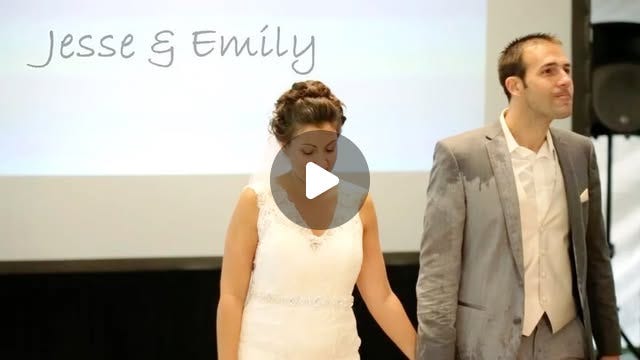
Jesse and Emily Cole didn’t set out to disrupt baseball. They were trying to survive.
A million dollars in debt1, house sold, zero safety net — every decision was made by people who literally could not afford to be boring, or groceries.
But the true beginning started earlier, back when a 23-year-old Jesse is handed the reins of a failing summer team in Gastonia, North Carolina, by a man named Ken Silver. It was a ridiculous appointment: Jesse had no experience, no leadership background, and a team so bad it practically guaranteed no one else wanted the job.
This should have been a dead-end footnote.
Instead, one open-ended question provided Jesse with freedom and creative license — a question Ken asked every time Jesse pitched another off-the-wall idea, whether it involved grandma beauty pageants, midnight games, or digging for a free trip to China after the final inning. Ken never gave instructions, never shut an idea down, never corrected Jesse. Ken simply asked:
“What do you think?”
That question didn’t give Jesse answers; it gave him permission. It taught him to think for himself, trust his instincts, take risks, and build ideas that didn’t require a nod from tradition. Banana Ball didn’t grow out of baseball. It grew out of empowerment. Now that’s a culture many could learn from.
Don’t take my word for it, part of Jesse’s appeal is his open, honest and authentic way he records their story across his socials:
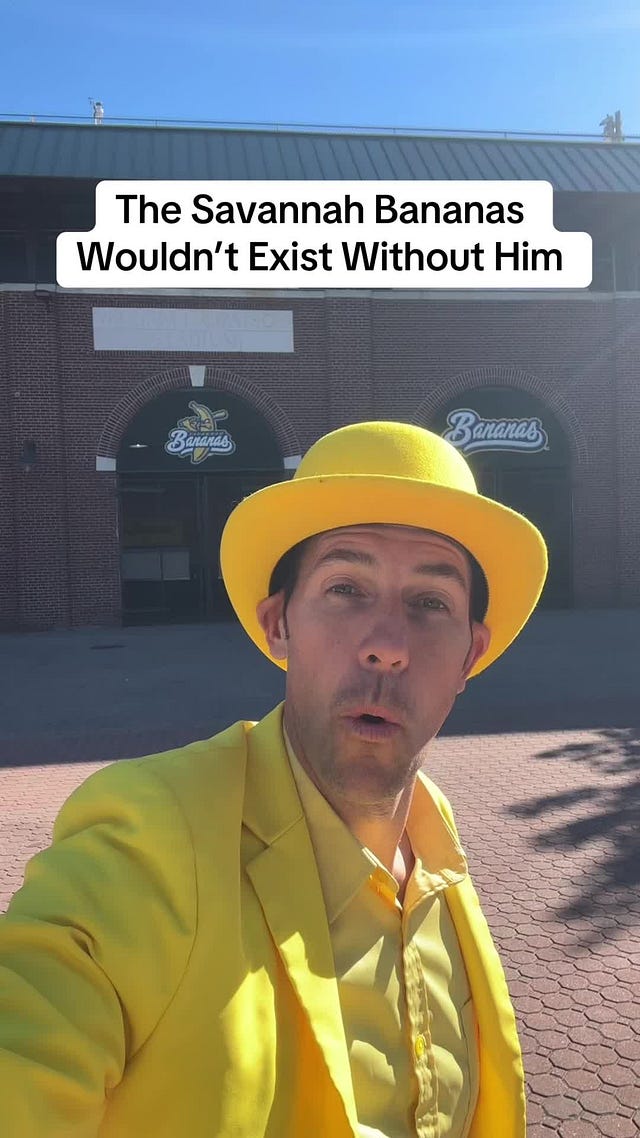
 Tiktok failed to load.
Enable 3rd party cookies or use another browser
Fans as Creators, Not Just Consumers
Sure, Walt Disney knew that to capture the imagination of children and parents, he needed to go beyond film and create a place where families could go and have fun, together. But he always put himself in his guests shoes, always striving to make everything as much fun as possible (not sure what he’d make of four hour queues).
From Ken’s simple question came the thing most traditional sports still pretend not to see: when you stop treating fans like a passive viewer and start treating them like co-creators, as guests to entertain the entire shape of the game changes.
Jesse began building baseball the way fans would build baseball — shorter, faster, stranger, louder, and infinitely more joyful. The dead space disappeared. The self-importance evaporated. The game becomes a show you feel, not a tradition you have to endure.
Banana Ball is what happens when you strip the ego out of a sport and leave only the parts that make people smile; that entertain. Every moment has intention. Every pause is still a beat. Every inning becomes a miniature game within a game. Players aren’t waiting for their turn; they’re performing a Lady Gaga dance for the people who show up. The game becomes elastic, playful, alive.
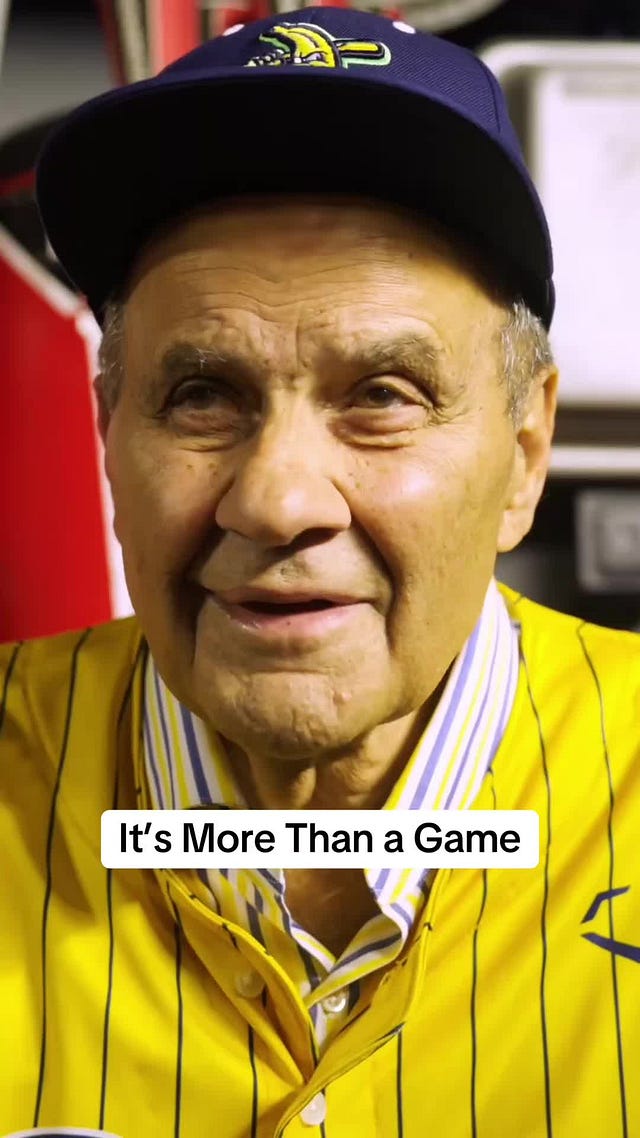 Tiktok failed to load.
Enable 3rd party cookies or use another browser
A League as a Cultural Event
Most sport franchises think they’re in the sports business; Banana Ball knows it’s in the entertainment business.
When millions join waiting lists and affordable tickets out-price some of the biggest MLB clashes, you’re no longer just a baseball team — you’re a travelling cultural phenomenon.
Selling out MLB stadiums while technically not even being a league isn’t a marketing trick. It’s an important proof point that fans are no longer loyal to rigid structures; they’re loyal to feeling something real.
And this feeling — unpredictability, laughter, theatre, community — is something most traditional sports can’t manufacture because their structures won’t allow it, set like concrete in their legacy mindset.
Banana Ball can because the Coles own the whole thing outright. No shareholders clutching pearls. No committees defending tradition for tradition’s sake. It’s a touring circus, a theatre production, a brand studio, and a sports team fused into one.
The Banana Ball League culture is different. Offering extensive pre-game and post-game entertainment centred around music, dancing, fan interaction, and a lively atmosphere that extends the event experience beyond the two-hour game itself. Jesse, like Walt [Disney] is part of the show, but his presence acts as research; always looking for fans looking bored, or leaving early.
In the early days, he noticed people were leaving at 9pm. That there wasn’t a good enough reason to come before the game, or to stay afterwards. So Banana Ball flipped the script:
BEFORE A GAME
Stadium plazas open early (sometimes as much as three hours before the game), featuring music and live stage shows for the arriving crowds.
Players are available in the plaza for an hour or more, signing autographs, taking pictures, and high-fiving fans, making a personal connection. including Jesse who acts almost like a compare the entire time; often found in the middle of a swell of fans surrounding him and players
A pep band (known as the “Banana Band”) plays throughout the pre-game and the entire event, ensuring “no dead air” and a concert-like atmosphere.
The entertainment kicks off with dancing umpires and break-dancing coaches, setting the tone for the spectacle.
DURING A GAME
Players perform planned dance routines between innings, for specific game moments (like the “3-2-2” pre-pitch dances), and after scoring or making great plays.
Batters’ walk-ups feature elaborate entrances, sometimes involving celebrity guests, specific music artists, or special effects like rain.
Modified rules of Banana Ball are designed for fan engagement; for instance, a foul ball caught by a fan counts as an out, directly involving them in the game’s outcome.
The show includes various characters, zany antics, and spontaneous “trick plays” that blend skill with comedy.
AFTER A GAME
Immediately following the game, another party begins in the plaza, often featuring a live band that plays for an hour.
The event often concludes with the entire team, coaches, and staff gathering to sing a farewell song, such as “Stand by Me,” arm-in-arm with fans who linger in the stadium.
Players, Jesse and League employees remain accessible after the game, continuing to sign autographs and take photos with fans in the stands and the parking lot.
The stats for the Banana Ball League don’t lie:
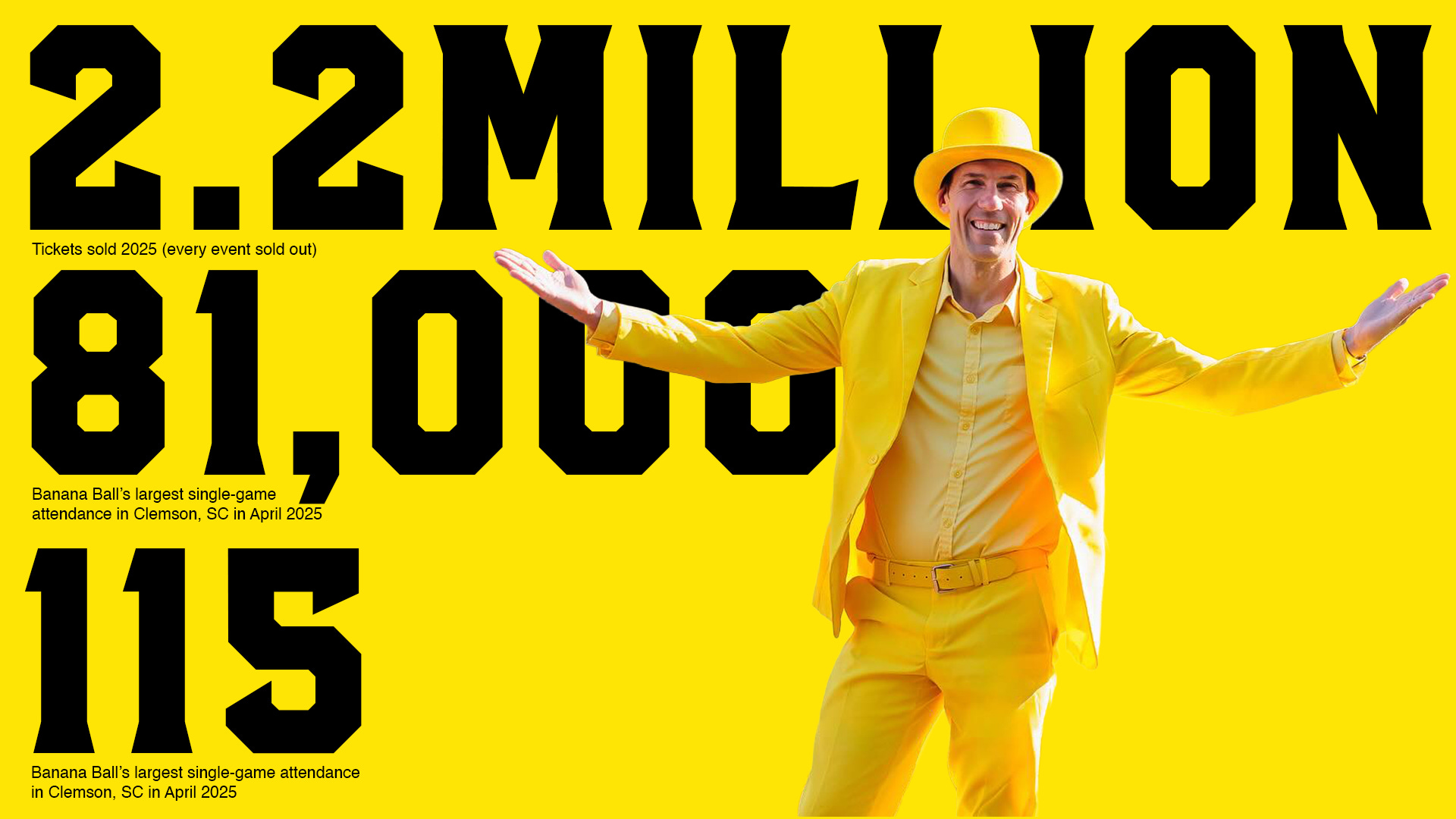
Content is the King/Queen
Banana Ball’s social presence isn’t an accessory — it’s the thumping heartbeat.
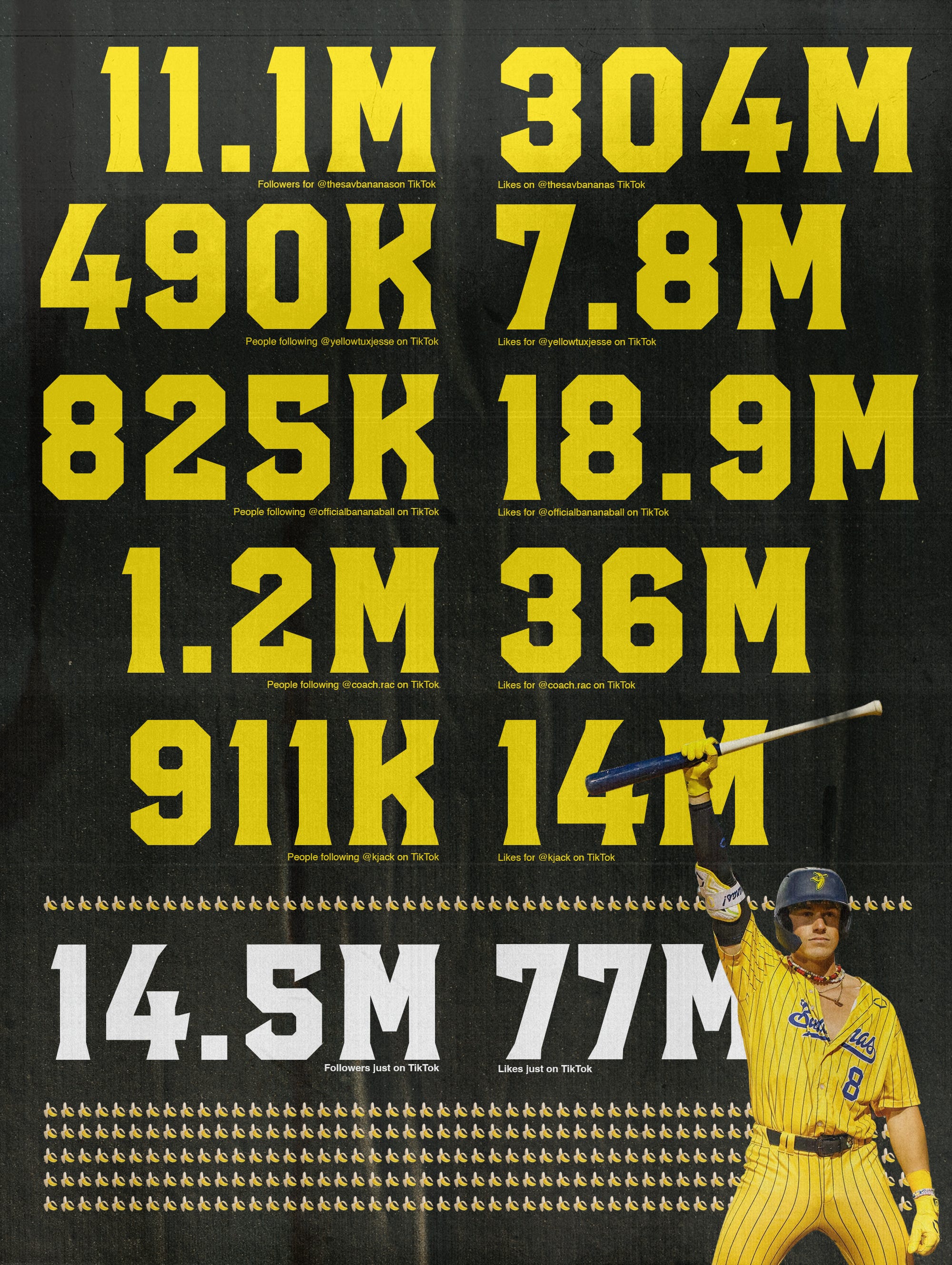
Millions of followers and tens of millions likes of on TikTok didn’t arrive because the team posted highlights2. They’re because the content is the show.
Every clip is an invitation into ‘Bananaland’, a tiny taste of the chaos and choreography that defines the live experience. When the digital presence is this alive, fans show up already belonging to the world you’ve created.
The Banana Ball league has 312k subscribers on their Youtube channel. Jesse has 672K followers on IG alone. But let’s revel in their TikTok channels, from just some of the main channels I follow:
Baseball, Circus & Connection
Three really is the magic number - three words chosen by Parker Nolan, player on the Banana League’s Firefighters team to describe the Banana Ball League.
What makes Banana Ball magnetic isn’t just the rule tweaks or the spectacle.
It’s the invitation. Fans aren’t witnesses. They’re participants who shape the atmosphere, influence the momentum, and sometimes even affect the rules.
For example, if a fan catches a foul ball, the batter is out.
One fan is chosen each game to represent all fans and is given one opportunity to challenge an official’s call.
The fundamental rules of Banana Ball, such as the two-hour time limit, the no-walks rule, and the elimination of mound visits and stepping out of the batter’s box, were developed by after receiving fan feedback and Jesse’s intention to always improve the fan experience by removing friction points and “boring” from the game.
When was the last time your beloved sport did something like this?
Banana Ball didn’t reinvent baseball; it reinvented the relationship between the people on the field and the people in the stands. It turned spectators into citizens of a community that keeps growing because it keeps giving.
A Blueprint for Ripping Up Rulebooks
The truth is, Banana Ball succeeds because it rejects inherited norms in favour of designed experiences.
Banana Ball values delight over legacy, empowerment over hierarchy, participation over purity.
Ken Silver’s question still echoes through every decision the Bananas make: What do you think? It’s an invitation to agency, imagination, and experimentation.
This is the connective thread: a sport rebuilt by someone who was taught to think freely has now become a global case study in what happens when you challenge every assumption, ask better questions, and design for humans first.
And somewhere in that quiet, generous question from decades ago — the one that unlocked Jesse Cole — sits the entire philosophy: challenge norms, empower people, and let joy lead the way.
Emily Cole and the Power of Making Purpose Public
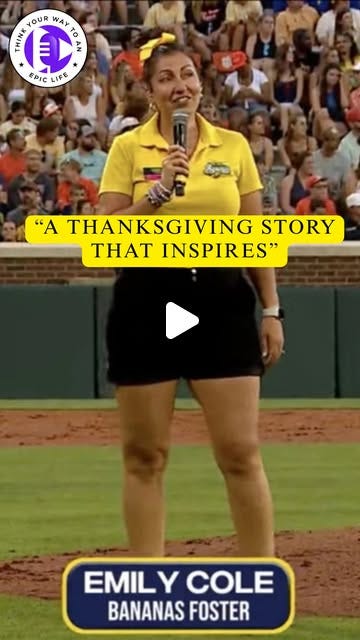
If Jesse Cole is the showman who rewired baseball, Emily Cole is the quiet architect who turned the Bananas’ platform into something more than entertainment.
Long before she co-created Banana Ball, Emily had been tuned into the foster care system — first through her early career in minor league baseball, and later through her and Jesse’s own journey as foster (and eventually adoptive) parents. What started as a private commitment became a calling that refused to stay inside the walls of their home.
The breakthrough came in one of those throwaway creative conversations Jesse and Emily have constantly — Jesse blurts out a playful pun, “Bananas Foster,” and it stuck.
The name captures who Banana Ball and the Savannah Bananas are as a brand and what they believe as people. Fun meets purpose. Showmanship meets service. A joke becomes a doorway.
In 2023, Bananas Foster became a nonprofit3 — not a PR initiative, not a bolt-on gesture, but a fully-fledged commitment to honouring and supporting the foster care community.
Emily’s reasoning is painfully practical: they could only take so many children into their own home, but their team had a three-million-person waitlist4. If people are queueing for years to watch Banana Ball, why couldn’t some of that collective energy be redirected toward supporting kids and families who actually need it?
This is where Emily’s brilliance shows.
She didn’t just create a charity; she creates a stage. At every stadium on tour, in front of thousands of fans, Bananas Foster stops the show to celebrate a local foster family.
Emily walks onto the field, introduces the family by name, tells their story, and hands the spotlight directly to them. The crowd rises. The players surround them. No fundraising ask. No QR codes. No transaction. Just recognition.
Jesse describes one moment: the Schreiber family — a nurse, a veteran, parents who’ve welcomed over fifty children and adopted six — being honoured in Tennessee. Eleven people at the centre of a sold-out stadium, receiving a standing ovation usually reserved for champions. The players run to them. Arms around them. The whole show pauses to say: these are the heroes.
And something incredible happens. People start reaching out. Families ask how they can become foster parents. Communities want to help. A moment of joy and visibility becomes a catalyst — not because it asks, but because it invites.
What started in Savannah with a single family has now grown to hundreds honoured across the country. Emily has built a team to take Bananas Foster nationwide. It is now one of the most powerful parts of the Banana Ball experience — not a side hustle, but a heart-beating organ within the Banana Ball spectacle.
This is what can happen when purpose is not treated as messaging but as a ritual: turning abstract goodwill into shared celebration. You make invisible labour visible. You transform a sports audience into a community capable of showing up for something that matters.
And again, the question that started Jesse’s career reappears here, reframed through Emily’s work: No one knows exactly how to do anything until they do it. You start small. You honour one family. You bring the idea onto the field. And suddenly it grows into a national movement.
In other words
Design for joy. Design for humans. Design for something bigger than the show. Help people feel something joyful.
That’s the real magic of “Bananaland” — not just the rules, the antics, the yellow tux. It’s the way the people behind it keep choosing to widen the circle of who gets to feel seen.
And the growing swell of support and fans: That’s not counting, that’s facts. So many sports never stop to ask, or lose sight (or never knew) what’s their sports soul.

Banana Ball is no gatekeeper - Jesse’s even written a manual, the “scaffolding” for everyone to make their own.
One thing is for sure, Jesse and Emily have their recipe locked-down:
Connection (Fans) ➡️ Circus (Entertainment) ➡️ Baseball (rivalry)